
The Ultimate Guide to Planning a Montana Wedding or Elopement
3/09/26
Tips and Tricks for Planning your Montana Wedding or Elopement from a Montana Wedding Photographer
As a born and raised Montanan, I might be a little biased, but Montana is one of the prettiest places in the country that you can choose for your wedding. From towering mountain views and alpine lakes to wide-open fields and that intimate small-town charm, Montana is the perfect place for your wedding or elopement.
If you are newly engaged or already deep in the wedding planning process, there are a few things worth knowing that can make planning your Montana wedding or elopement a lot less stressful and a lot more enjoyable!
Over the years of photographing weddings and elopements across Montana, these are some of the questions couples ask most often while planning their day.
In This Guide We’ll Cover:
- When is the Best Time of Year to Get Married in Montana?
- Where Should We Have Our Montana Elopement Ceremony?
- How Far in Advance Should We Book Our Montana Wedding Venue?
- What Wedding Vendors Do We Need for a Montana Wedding?
- Do We Need a Wedding Planner or Coordinator?
- When Should We Book Our Wedding Vendors?
- What Time Should Our Wedding Ceremony Start?
- What Moments Should Be Included in a Wedding Day Timeline?
- How Many Hours of Wedding Photography Coverage Do We Need?
- How Should We Prepare for Montana Weather on Our Wedding Day?
- Should We Do a First Look on Our Wedding Day?
- What Details Should We Have Ready for Wedding Detail Photos?
- A Few Final Thoughts for Your Montana Wedding or Elopement
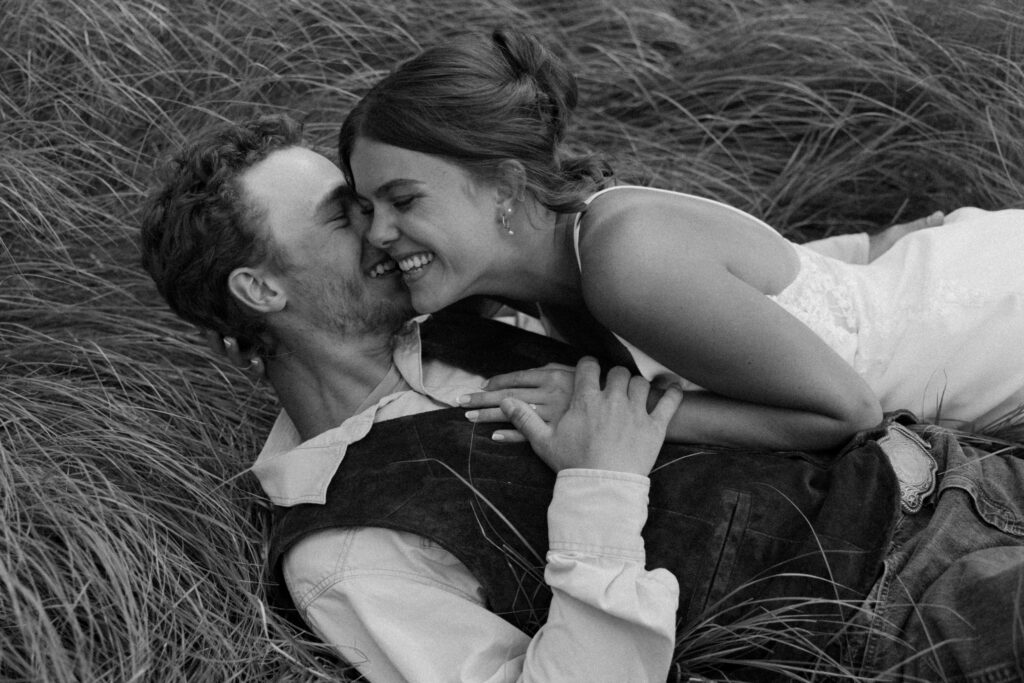
When is the Best Time of Year to Get Married in Montana?
Montana is beautiful year-round but each season offers a slightly different experience for weddings and elopements. Understanding what each season looks like can help you choose a time of year that fits both your vision and the type of atmosphere you want for your Montana wedding day.
Summer Weddings in Montana
Summer is the most popular season for Montana weddings. The weather is generally warm, mountain roads are open and the long daylight hours create beautiful opportunities for sunset photos.
However, summer is also the busiest time for venues and vendors, so planning ahead is important.
Fall Weddings in Montana
Fall weddings are incredibly beautiful in Montana. Cooler temperatures and colorful foliage create a cozy and romantic atmosphere.
September and early October are especially popular for couples who want the fall look without the unpredictability of late autumn weather.
In my professional opinion, September is the perfect month for getting married in Montana.
Spring Weddings in Montana
Spring weddings can be lovely but slightly more unpredictable. Snow may still be present in higher elevations and the weather can change quickly.
That said, spring also offers quiet landscapes and fewer crowds in many locations.
Winter Weddings in Montana
Winter weddings are perfect for couples who love snowy landscapes and intimate celebrations. While travel and weather need to be considered carefully, winter can create a magical setting for a Montana wedding or elopement.
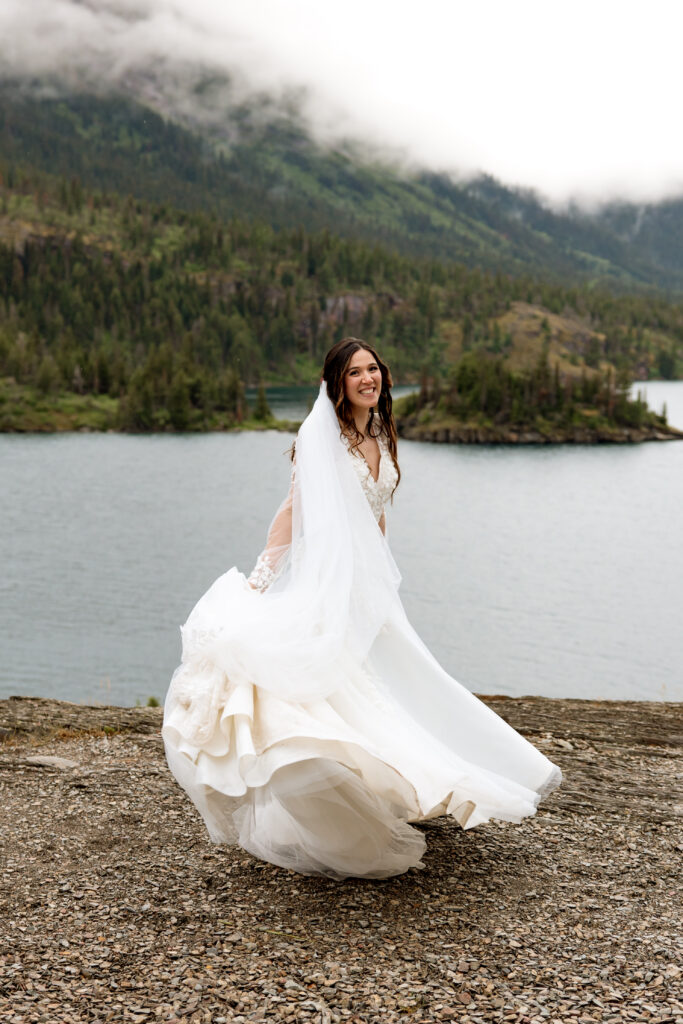
Where Should We Have Our Montana Elopement Ceremony?
One of the most exciting parts of planning a Montana elopement is choosing the location where you’ll exchange your vows. Montana’s landscapes offer endless possibilities depending on the experience you want to create.
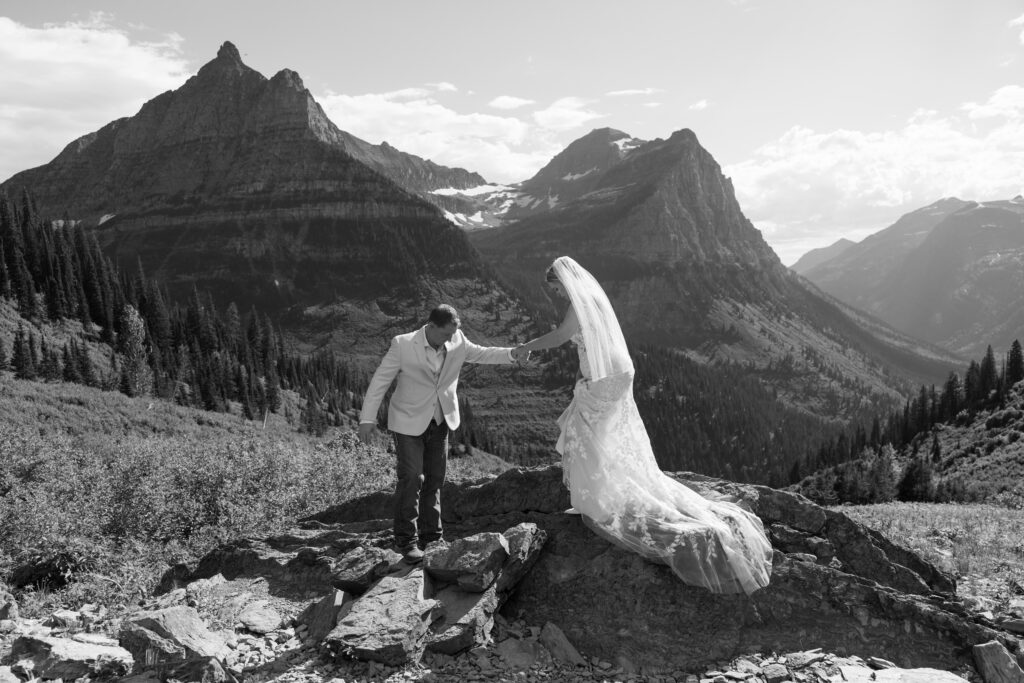
Mountain Overlooks
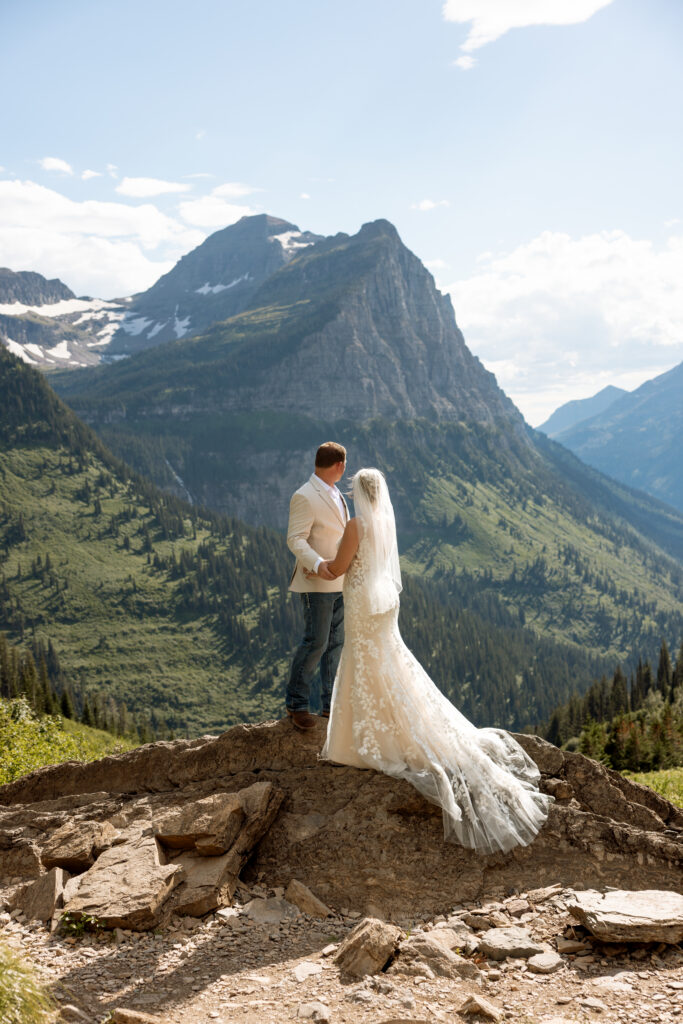
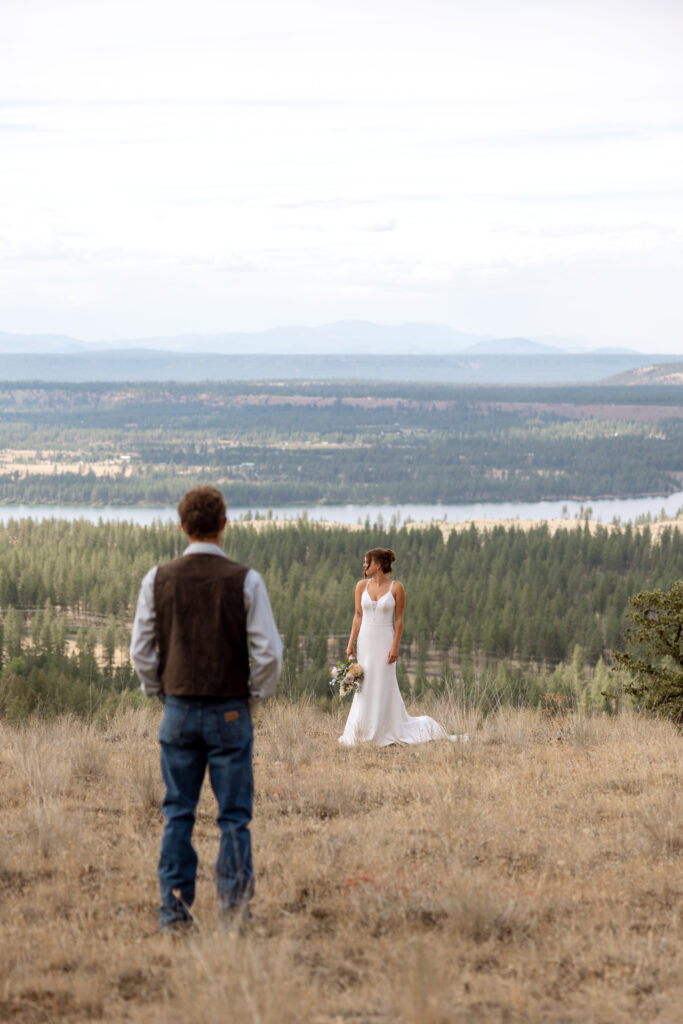
Many couples dream of saying their vows surrounded by mountain views. Montana’s mountain overlooks provide dramatic scenery and unforgettable backdrops.
Alpine Lakes
Alpine lakes are another beautiful option for elopements. The reflections, clear water and surrounding peaks create a peaceful and intimate setting.
Forest Locations
For couples who prefer a quieter, more secluded atmosphere, forest locations offer privacy and beautiful natural surroundings.
Private Property or Ranch Land
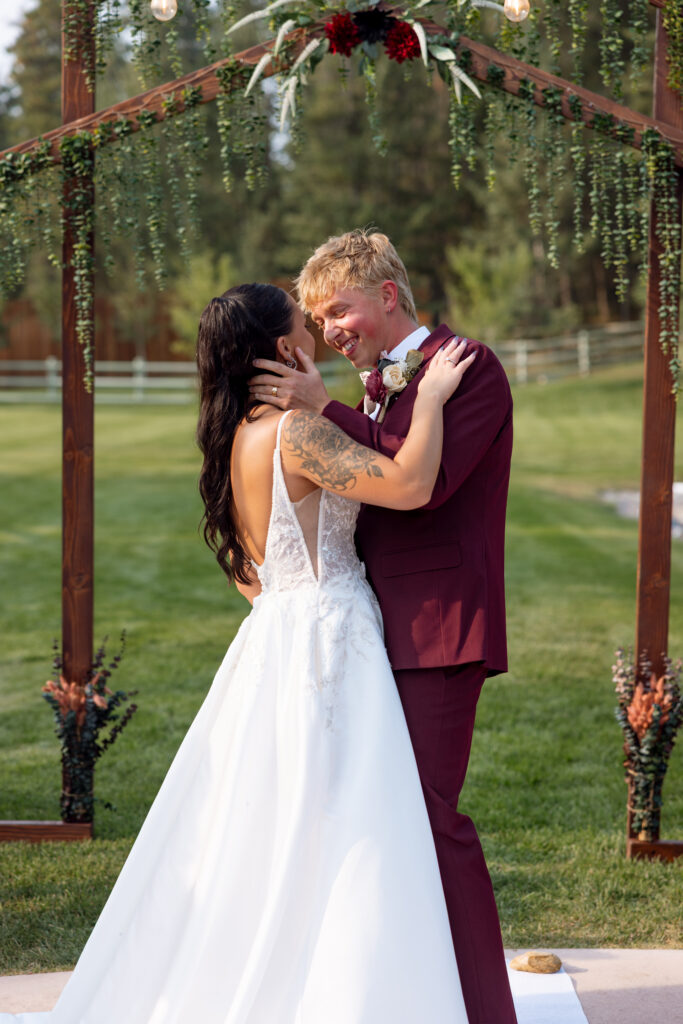
Montana ranches and private land venues can provide incredible scenery while also offering easy access for guests and vendors.
Glacier National Park
Glacier National Park is one of the most iconic places to get married in Montana. With dramatic mountain peaks, turquoise lakes and incredible alpine scenery, it’s easy to see why so many couples dream of eloping here.
However, weddings and elopements inside the park do require a special use permit and ceremonies are limited to specific approved locations. There are also guest count limits and other regulations designed to protect the park.
Because of this, planning a Glacier National Park wedding usually involves a little extra preparation. Working with vendors who are familiar with the park can make the process much smoother and help ensure everything follows park guidelines.
If Glacier is the place you’ve always imagined getting married, it can truly be an unforgettable experience surrounded by some of the most beautiful landscapes in the country.
How Far in Advance Should We Book Our Montana Wedding Venue?
Many Montana wedding venues book quickly, especially during peak summer and fall wedding seasons. Securing your venue early helps ensure you get the date and location you want.
For most Montana weddings, couples begin looking at venues about 12–18 months in advance.
Booking your venue early also makes it easier to start booking vendors, since many vendors need to know your wedding date and location before confirming availability.
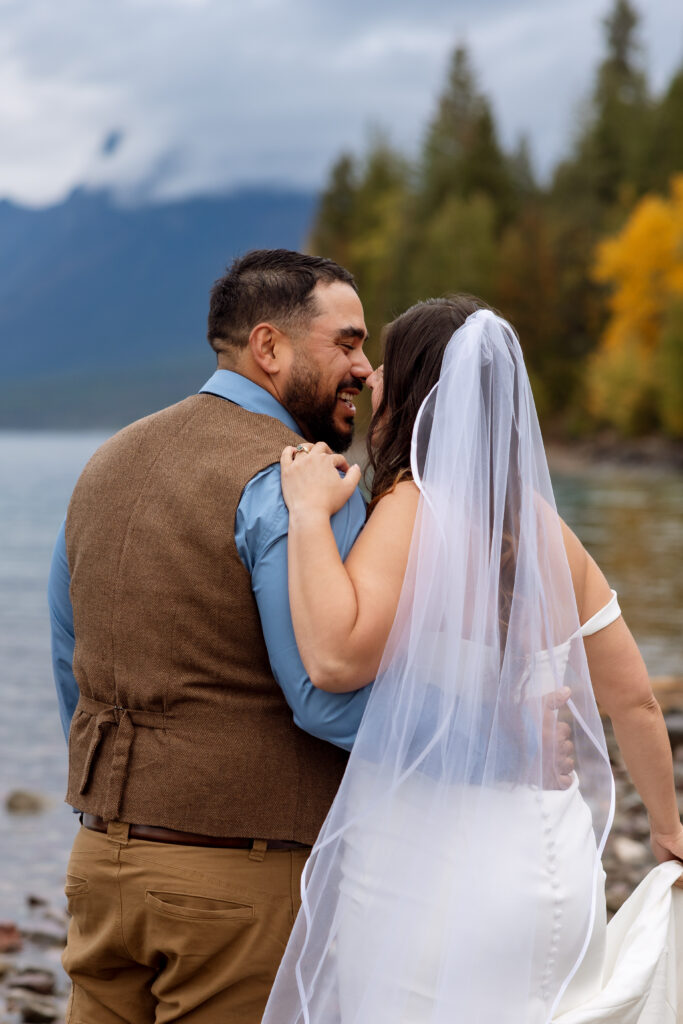
What Wedding Vendors Do We Need for a Montana Wedding?
Your wedding vendor team plays a big role in how smoothly your wedding day comes together. While every celebration is unique, most Montana weddings include a few key vendors.
Common wedding vendors include:
- venue
- photographer
- planner or coordinator
- officiant
- catering
- florist
- hair and makeup artist
- DJ or band
- rental company
Some couples also choose to hire videographers, content creators or specialty vendors depending on their vision for the day.
Do We Need a Wedding Planner or Coordinator?
Not every wedding requires a full-service planner but having someone help manage the logistics of your day can make a big difference.
Many couples choose to hire at least a day-of coordinator. This allows someone else to manage the timeline, vendor communication and small details so you can focus on enjoying your wedding day.
For larger weddings or events with many moving parts, a full-service planner can help guide the planning process from start to finish.
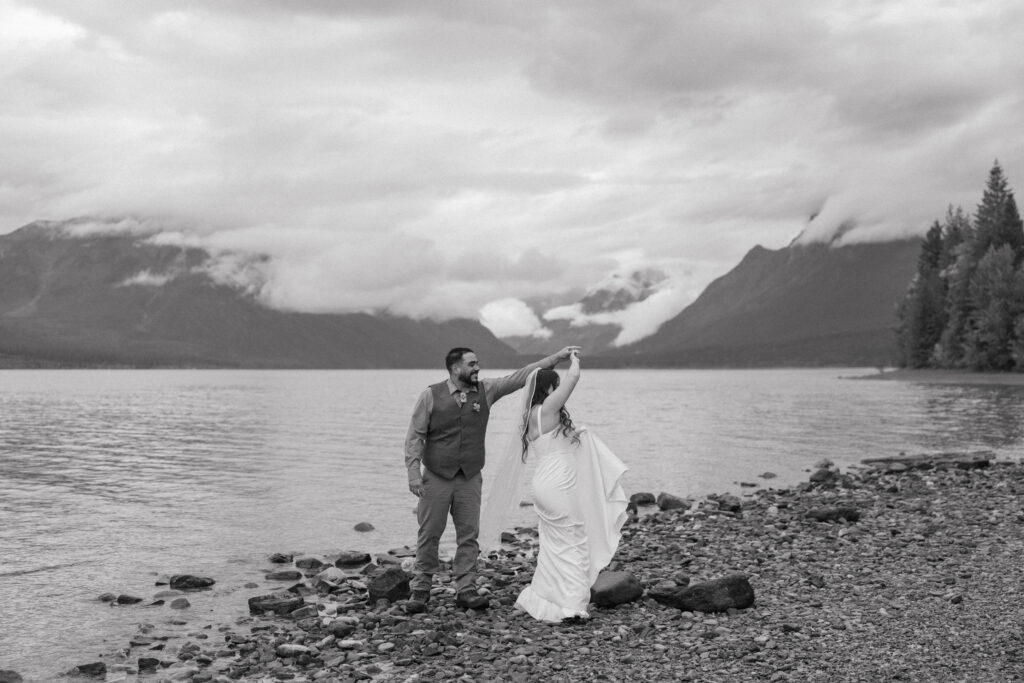
When Should We Book Our Wedding Vendors?
Once you’ve secured your venue and wedding date, the next step is building your vendor team.
Many couples begin booking vendors 9–12 months before their wedding, though some vendors like photographers and planners may book even earlier.
A helpful order for booking vendors is:
- venue
- photographer
- planner or coordinator
- catering
- florist
- entertainment
- hair and makeup
Booking vendors early helps ensure availability and allows plenty of time to coordinate plans.
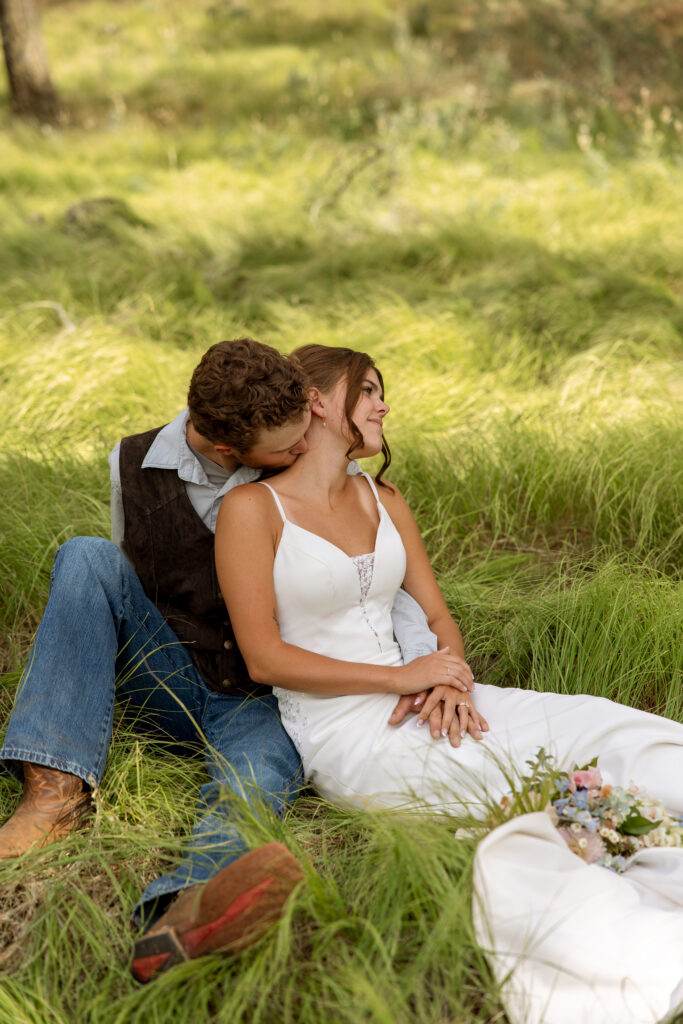
What Time Should Our Wedding Ceremony Start?
The timing of your ceremony can have a big impact on the overall flow of your wedding day.
Whenever possible, planning your ceremony about 2–3 hours before sunset creates beautiful lighting conditions for portraits afterward.
This also allows time for sunset photos, which are often some of the most memorable images from a Montana wedding.
If your ceremony needs to happen earlier in the day, that’s completely fine — your photographer can help plan portraits around the best available light.
What Moments Should Be Included in a Wedding Day Timeline?
Every wedding timeline is a little different but most Montana wedding days follow a similar rhythm.
Common parts of a wedding day timeline include:
- getting ready photos
- detail photos
- first look (optional)
- couples photos
- wedding party photos
- family photos
- ceremony
- cocktail hour
- reception events
- sunset portraits
Working with your photographer and planner to build your timeline helps ensure the day feels relaxed and allows space for meaningful moments.

How Many Hours of Wedding Photography Coverage Do We Need?
The number of photography hours you need depends on the type of wedding day you’re planning.
Some smaller weddings and elopements may only need 4–6 hours of coverage, while traditional weddings often benefit from 8–10 hours to capture the full story of the day.
Coverage hours typically include:
- getting ready
- ceremony
- portraits
- reception events
- candid moments throughout the day
Choosing the right amount of coverage ensures the most meaningful moments are documented.
Whichever photographer you choose will help point you in the right direction and let you know which of their packages will work best for your specific wants and needs.
How Should We Prepare for Montana Weather on Our Wedding Day?
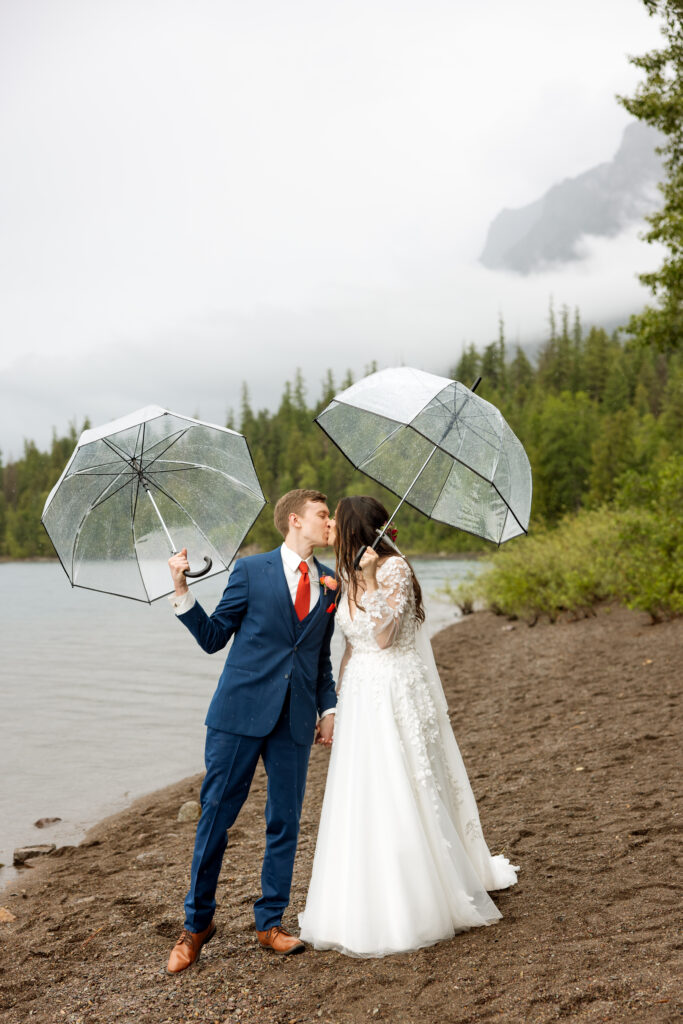
Montana weather can change quickly, especially in mountain areas and open landscapes. A little preparation goes a long way toward making sure your day stays comfortable and enjoyable.
Bring layers. Even summer evenings can cool down quickly once the sun sets.
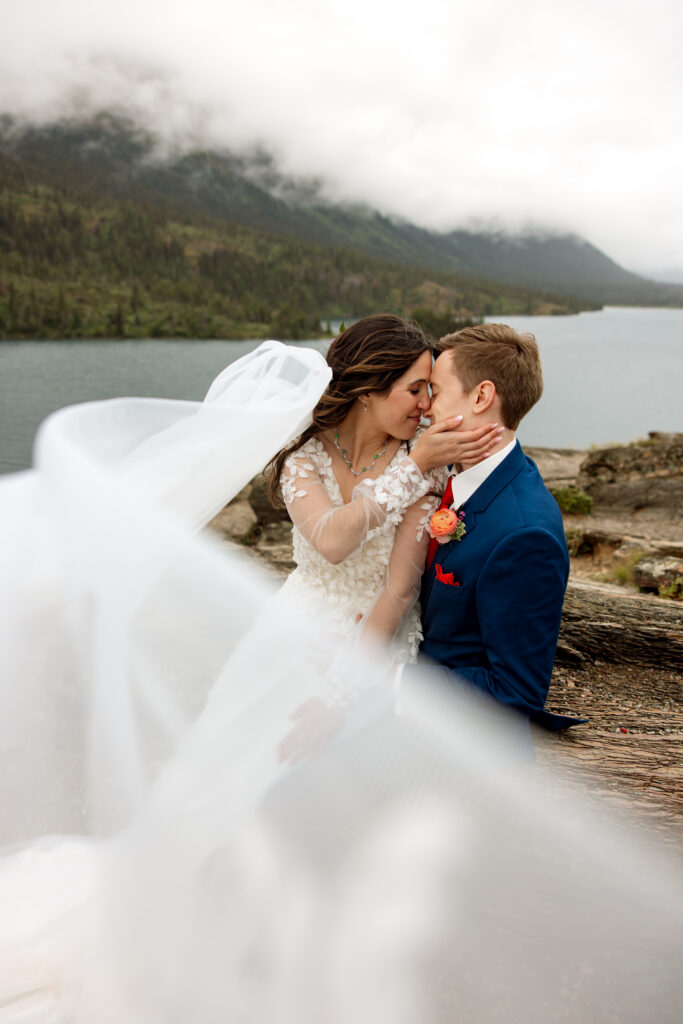
Plan for wind. Mountain locations often experience breezes that can affect veils, hair and ceremony setups.
Have a simple backup plan. Covered spaces or nearby indoor options can help if weather conditions shift unexpectedly.
The good news is that dramatic skies and changing weather often create beautiful and unique wedding photos.
Should We Do a First Look on Our Wedding Day?
A first look is when couples choose to see each other before the ceremony instead of waiting until walking down the aisle.
Many couples love first looks because they create a quiet moment together before the day begins and allow more flexibility in the timeline.
Others prefer the tradition of seeing each other for the first time during the ceremony.
There’s no right or wrong choice — it simply depends on what feels most meaningful to you.
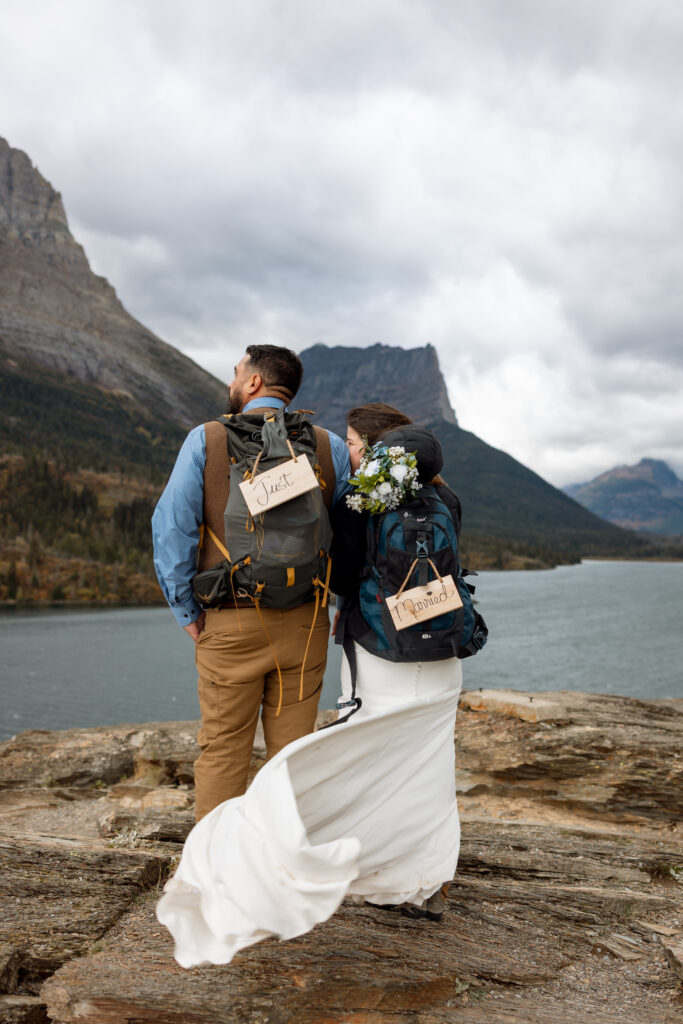
What Details Should We Have Ready for Wedding Detail Photos?
The small details you choose for your wedding help tell the story of your day.
Gathering these items ahead of time allows your photographer to document them thoughtfully.
Common details include:
- wedding dress
- shoes
- rings
- jewelry
- invitation suite
- vow books
- perfume or cologne
- heirlooms or sentimental items
Many couples place these items together in a small box or bag so they’re easy to photograph when the day begins.
Final Thoughts: What Really Matters on Your Wedding Day
Planning a Montana wedding or elopement comes with a lot of decisions but the most meaningful parts of the day rarely come from the timeline or the details. They come from the moments you share with the people you love:
- the laughter with friends
- the quiet conversations with family
- the excitement of beginning this next chapter together
Montana has a way of creating wedding days that feel a little more relaxed and connected to the landscape around you. Whether you’re celebrating with a large group of loved ones or planning an intimate Montana elopement in the mountains, the experience is often just as memorable as the celebration itself.
With a little thoughtful planning and the right team of vendors, your Montana wedding day can feel calm, intentional and true to you.
Montana is an incredible place to get married and it’s always an honor to photograph couples celebrating their story here.
If you’re planning a Montana wedding or elopement and looking for a photographer who focuses on natural, documentary-style moments, I’d love to hear more about what you’re envisioning for your day.
Related Montana Wedding Planning Resources
If you’re currently planning a Montana wedding or elopement, these additional resources may also be helpful as you continue the planning process.
- A Guide to Getting Married in Glacier National Park
- Montana Wedding Timeline Tips for a Relaxed Wedding Day
- Best Places to Elope in Montana
- What to Wear for Engagement Photos in Montana
If you are looking for your Montana Wedding Photographer, I am based in the Mission Valley and would love to capture your big day where ever it may be. You can reach me here🤍
(These bonus guides are coming soon!)
Leave a Reply
NOW ON THE BLOG
The Ultimate Guide to Planning a Montana Wedding or Elopement


